What Are the Early Signs of Mold Growth in a Home?
Mold can begin growing in a home before it becomes obvious. Because it often develops in damp, dark, or poorly ventilated areas, homeowners may notice subtle changes long before they see visible mold.
Basements are especially vulnerable to moisture problems, which is why proper basement waterproofing can play an important role in helping reduce damp conditions that may contribute to mold growth.
A Persistent Musty Odor
One of the earliest signs of mold growth is a musty or earthy smell that does not go away. You may notice the odor when entering a basement, bathroom, crawl space, or another area that tends to hold moisture.
Even if you cannot see mold, a persistent musty smell may indicate that growth is occurring behind walls, under flooring, around insulation, or in other concealed spaces.
Small Spots or Discoloration
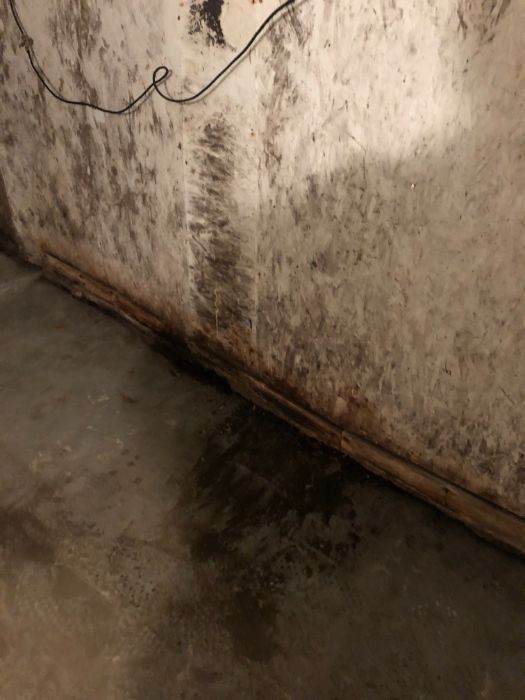
Mold does not always begin as a large dark patch. Early growth may appear as small black, green, brown, gray, or white spots on walls, ceilings, grout, window frames, or other surfaces.
Discoloration that continues to return after cleaning can be especially concerning. If moisture is still present, surface cleaning alone may not address the underlying problem.
Water Stains on Walls or Ceilings
Yellow, brown, or dark stains can indicate a leak or another source of moisture. Areas affected by plumbing problems, roof leaks, condensation, or water intrusion can create conditions that allow mold to grow.
In basements, water stains may also point to seepage through foundation walls or floors. Investing in basement waterproofing can help address recurring moisture and provide added protection against water intrusion.
Peeling Paint or Wallpaper
Excess moisture behind a wall can cause paint to bubble, crack, or peel. Wallpaper may also begin separating from the wall.
These changes do not automatically mean mold is present, but they can signal moisture buildup that should be investigated. Mold may develop if damp conditions continue.
Warped or Soft Building Materials
Drywall, wood, flooring, and other materials can change when they are repeatedly exposed to moisture.
You may notice:
- Soft or weakened drywall
- Warped flooring
- Swollen wood
- Buckling walls or ceilings
- Crumbling or deteriorating materials
Changes like these can point to a moisture problem that may also be creating favorable conditions for mold.
Excess Condensation
Frequent condensation on windows, pipes, walls, or other surfaces can be a sign of elevated moisture levels inside the home. While occasional condensation is common, persistent moisture can encourage mold growth.
Improving ventilation and controlling water intrusion are important steps. For homeowners dealing with ongoing basement dampness, basement waterproofing may help create a drier, more manageable environment.
Mold Around Basements and Other Damp Areas
Certain areas of a home are naturally more susceptible to moisture. Bathrooms, basements, crawl spaces, laundry rooms, kitchens, and areas around windows should be checked regularly.
Basement mold can be especially concerning because moisture may enter through foundation cracks, walls, floors, or poor drainage around the property. Addressing these sources through professional basement waterproofing can help reduce recurring moisture issues.
Keep Your Basement Dry with LaKari Waterproofing
If you are noticing water stains, damp walls, musty odors, or other signs of moisture in your basement, LaKari Waterproofing can help. Our basement waterproofing solutions are designed to address water intrusion and help homeowners protect their basements and foundations from ongoing moisture problems.
Contact us today to learn more about basement waterproofing options for your home and take the next step toward a drier, better-protected basement. We proudly serve Erie, PA, and beyond.